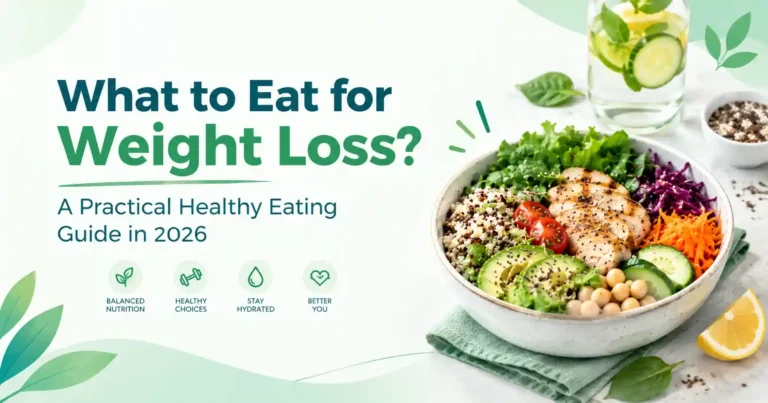
Transform Your Lifestyle: 6 Best Diet Plans for Weight Loss in 2026
Finding the right diet plan for weight loss can feel confusing. Every year brings new trends, restrictive eating plans and promises of quick results. But successful weight loss is rarely about finding a “perfect” diet or eliminating entire food groups overnight.
The best diet plans for weight loss are usually the ones you can follow consistently while still enjoying your food, meeting your nutritional needs and maintaining your lifestyle.
Research comparing popular diet programs suggests that many approaches can produce short-term weight loss, while the long-term differences between diets are often relatively small. This makes sustainability, food preferences, health conditions and long-term adherence especially important when choosing an eating pattern.
In this guide, we’ll explore 6 of the best diet plans for weight loss in 2026 and help you understand their benefits, challenges and suitability.
Table of Contents
- Quick Overview: 6 Best Diet Plans for Weight Loss
- Mediterranean Diet: A Sustainable Approach to Healthy Weight Loss
- DASH Diet: A Balanced Plan for Weight and Heart Health
- Plant-Based Diet: Focus on More Whole Plant Foods
- Intermittent Fasting: A Different Approach to Meal Timing
- Ketogenic Diet: A Very Low-Carbohydrate Approach
- High-Protein Balanced Diet: A Practical Option for Everyday Weight Loss
- Which Is the Best Diet Plan for Weight Loss?
- Ask Yourself These Questions Before Choosing a Diet
- Diet Alone Is Not the Complete Weight Loss Strategy
- Simple Habits That Can Support Healthy Weight Loss
- A Quick Comparison of the 6 Best Diet Plans for Weight Loss
- The Bottom Line: Choose a Lifestyle, Not a Temporary Diet
- External Sources for Further Reading
Quick Overview: 6 Best Diet Plans for Weight Loss
Here are the six diet approaches covered in this article:
- Mediterranean Diet
- DASH Diet
- Plant-Based Diet
- Intermittent Fasting
- Ketogenic Diet
- High-Protein Balanced Diet
Each approach works differently. Some focus on what you eat, while others focus more on when you eat or how you structure your meals.
Let’s explore each one.
1. Mediterranean Diet: A Sustainable Approach to Healthy Weight Loss
The Mediterranean diet is widely recognised as one of the most practical and flexible eating patterns for long-term health.
Rather than following strict food rules, this approach focuses on eating more whole and minimally processed foods.
A Mediterranean-style eating pattern typically includes:
- Vegetables
- Fruits
- Whole grains
- Beans and legumes
- Nuts and seeds
- Olive oil
- Fish
- Moderate amounts of poultry and dairy
It also encourages limiting heavily processed foods, excessive added sugar and large amounts of processed meat.
Why Can the Mediterranean Diet Support Weight Loss?
The Mediterranean diet does not depend on extreme calorie restriction or eliminating all carbohydrates.
Instead, it encourages nutrient-dense foods that can help improve meal quality and make healthy eating easier to maintain.
Foods such as vegetables, legumes and whole grains provide fibre, while foods such as fish, beans and other protein sources can help create satisfying meals.
The flexibility of the Mediterranean diet is one of its biggest advantages. Instead of following a rigid menu, you can adapt the principles to your local cuisine and food preferences.
Pros
- Flexible and relatively easy to adapt
- Encourages whole and minimally processed foods
- Includes a wide variety of foods
- Supports heart health
- Can be sustainable for long-term weight management
Challenges
- Portion sizes still matter for weight loss
- Some foods, including nuts and olive oil, are calorie-dense
- Meal preparation may require planning
Best For
People looking for a balanced and sustainable lifestyle-based approach rather than a highly restrictive diet.
2. DASH Diet: A Balanced Plan for Weight and Heart Health
DASH stands for Dietary Approaches to Stop Hypertension.
The DASH diet was originally developed to support healthy blood pressure, but its emphasis on nutritious whole foods can also support healthy weight management.
The eating pattern generally focuses on:
- Fruits
- Vegetables
- Whole grains
- Beans
- Nuts and seeds
- Lean protein sources
- Low-fat dairy products
It also encourages limiting foods high in sodium, saturated fat and added sugars.
Why Choose the DASH Diet?
One of the biggest strengths of DASH is its nutritional balance.
Instead of promoting extreme carbohydrate or fat restriction, it encourages a variety of food groups and focuses on improving overall diet quality.
For people trying to lose weight, the DASH approach can be combined with appropriate portion sizes and a calorie intake that supports gradual weight reduction.
Pros
- Balanced nutritional approach
- Encourages fruits and vegetables
- Supports heart health
- Focuses on reducing excessive sodium intake
- Suitable as a long-term eating pattern
Challenges
- May require more home cooking
- Reading food labels becomes important
- Reducing sodium may take time to adjust to
Best For
People who want to improve their eating habits while also focusing on heart health and blood pressure management.
3. Plant-Based Diet: Focus on More Whole Plant Foods
A plant-based diet focuses primarily on foods that come from plants.
This does not always mean becoming completely vegan or vegetarian.
A person can follow a plant-forward eating pattern while still including some animal-based foods.
The foundation usually includes:
- Vegetables
- Fruits
- Whole grains
- Beans
- Lentils
- Chickpeas
- Nuts
- Seeds
How Can a Plant-Based Diet Help With Weight Loss?
Whole plant foods are often rich in fibre and can add volume to meals.
For example, vegetables, beans and whole grains can help create satisfying meals while providing important nutrients.
However, it’s important to remember that plant-based does not automatically mean low-calorie or healthy.
Highly processed vegan snacks, sugary drinks and excessive portions can still make weight loss difficult.
The goal should be to focus primarily on whole and minimally processed plant foods.
Pros
- Naturally encourages more fruits and vegetables
- High potential fibre intake
- Can offer a wide variety of foods
- Easy to adapt to vegetarian preferences
- Can support overall dietary quality
Challenges
- Requires attention to nutritional balance
- Protein intake should be planned properly
- Strict vegan diets may require attention to nutrients such as vitamin B12
Best For
People who enjoy vegetables, legumes and plant-based meals and want to build a more plant-focused lifestyle.
4. Intermittent Fasting: A Different Approach to Meal Timing
Intermittent fasting is different from traditional diet plans because it focuses primarily on when you eat rather than exactly what you eat.
Popular approaches include:
16:8 Method
You eat during an approximately 8-hour window and fast for the remaining hours of the day.
5:2 Method
You eat normally on most days while significantly reducing calorie intake on selected days.
Can Intermittent Fasting Help With Weight Loss?
Intermittent fasting may help some people reduce their overall calorie intake because they have a shorter eating window.
However, fasting itself is not magic.
If you consume significantly more calories during your eating periods, weight loss may not occur.
Food quality still matters.
A healthy intermittent fasting routine should include balanced meals containing:
- Protein
- Vegetables
- Fruits
- Whole grains or other nutritious carbohydrate sources
- Healthy fats
Pros
- Simple structure for some people
- Does not require eliminating specific foods
- Can fit certain work schedules
- May reduce unnecessary snacking for some individuals
Challenges
- Hunger can be difficult initially
- Not suitable for everyone
- Can encourage overeating during eating windows
- May be inappropriate for people with certain medical conditions
Best For
People who prefer structured meal timing and find it easier to manage their eating habits with a defined schedule.
5. Ketogenic Diet: A Very Low-Carbohydrate Approach
The ketogenic diet, commonly called the keto diet, is a high-fat and very low-carbohydrate eating pattern.
The goal is to significantly reduce carbohydrate intake and change the body’s primary fuel metabolism.
Foods commonly included in keto-style diets may include:
- Eggs
- Fish
- Meat
- Nuts
- Seeds
- Avocados
- Certain non-starchy vegetables
- Oils and fats
Foods commonly restricted include many:
- Grains
- Sugary foods
- Starchy vegetables
- Many high-carbohydrate foods
Can Keto Help With Weight Loss?
A ketogenic diet can lead to weight loss for some individuals.
However, it is considerably more restrictive than many other eating patterns.
Long-term adherence can be challenging because many common foods are significantly limited.
The keto diet is also not automatically the best choice simply because it produces rapid changes on the scale.
Some early weight changes can be related to changes in body water.
Pros
- Clear dietary structure
- May reduce appetite for some people
- Can produce weight loss for some individuals
- Limits many highly refined carbohydrate foods
Challenges
- Highly restrictive
- Difficult to maintain socially
- Can limit food variety
- Requires careful nutritional planning
- May not be suitable for everyone
Best For
People who strongly prefer a low-carbohydrate eating style and can follow it safely with appropriate professional guidance.
Important: If you have diabetes, kidney disease or another medical condition, speak with a qualified healthcare professional before making major dietary changes.
6. High-Protein Balanced Diet: A Practical Option for Everyday Weight Loss
A high-protein balanced diet focuses on including adequate protein throughout the day while still eating carbohydrates, healthy fats, fruits and vegetables.
This is not necessarily a strict branded diet.
Instead, it is a practical eating strategy that can be adapted to different cuisines and preferences.
Protein sources may include:
- Eggs
- Greek yogurt or curd
- Fish
- Chicken
- Paneer
- Tofu
- Soy products
- Beans
- Lentils
Why Can Protein Be Helpful During Weight Loss?
Protein can help make meals more satisfying and plays an important role in maintaining muscle mass.
A balanced approach may combine protein with:
- Vegetables
- High-fibre carbohydrates
- Healthy fats
- Appropriate portion sizes
For example, instead of eating a meal made primarily of refined carbohydrates, you could create a more balanced plate containing protein, vegetables and a suitable carbohydrate source.
Pros
- Easy to adapt to different food preferences
- Can support satisfying meals
- Flexible for vegetarian and non-vegetarian diets
- Works well alongside strength training and regular exercise
- Does not require eliminating major food groups
Challenges
- Extremely high protein intake is not necessary for everyone
- Food quality still matters
- Portion sizes remain important
Best For
People looking for a simple and flexible weight loss approach without following highly restrictive food rules.
Which Is the Best Diet Plan for Weight Loss?
There is no single diet that is automatically best for everyone.
The right approach depends on several factors, including:
- Your food preferences
- Your lifestyle
- Your cooking habits
- Your budget
- Your medical history
- Your activity level
- Your ability to follow the plan consistently
A diet that produces quick results but feels impossible to maintain may not be the best long-term solution.
For many people, a sustainable approach based on whole foods, appropriate portions and consistent habits can be more practical than repeatedly switching between restrictive diets.
Ask Yourself These Questions Before Choosing a Diet
Before starting a new eating plan, ask:
Can I Follow This for the Next Year?
If a diet feels impossible to maintain for more than a few weeks, it may not be the right long-term approach.
Does It Include Foods I Enjoy?
You don’t need to eat foods you dislike every day to lose weight.
A sustainable diet should leave room for enjoyable and culturally familiar foods.
Does It Provide Enough Nutritional Variety?
Extremely restrictive diets can make it harder to meet nutritional needs.
Does It Fit My Lifestyle?
Consider your:
- Work schedule
- Family meals
- Budget
- Cooking skills
- Social lifestyle
The best diet is often the one that fits naturally into your daily routine.
Diet Alone Is Not the Complete Weight Loss Strategy
Food choices are important, but sustainable weight management also involves your overall lifestyle.
Consider combining a healthy eating pattern with regular physical activity.
If you’re getting started with exercise, our Home Workout for Beginners: Where Should You Start? can help you build a realistic routine.
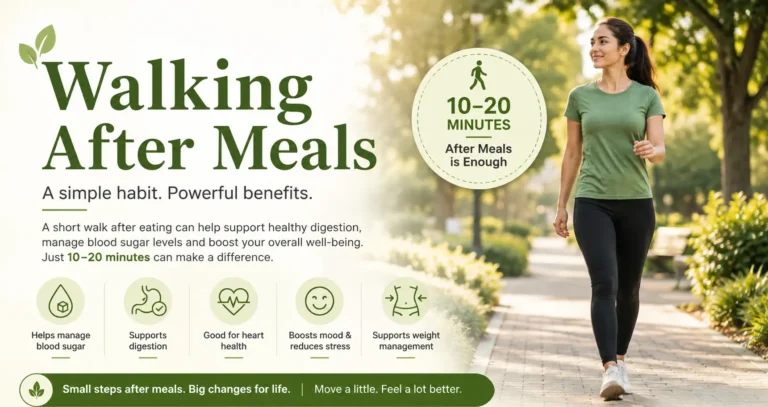
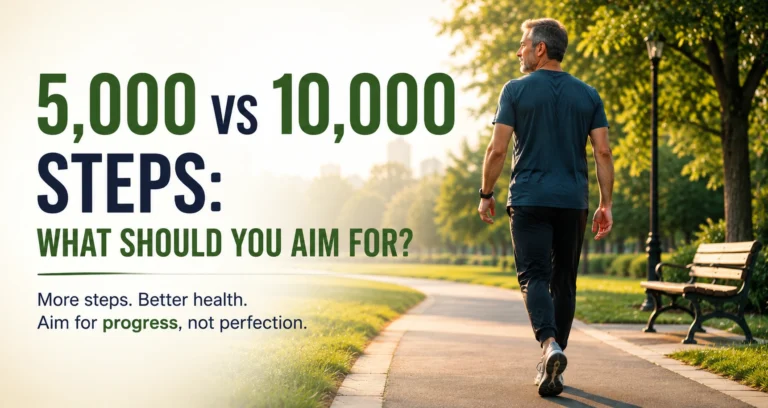
Walking is another simple way to become more active. Read our guide on Walking for Beginners: A Simple Step-by-Step Guide to learn how to make walking part of your routine.
You can also explore the Benefits of Walking Every Day and understand how regular movement can support your overall health.
If you prefer a more energetic and enjoyable workout style, try our Zumba Workout for Weight Loss: Effective Beginner Guide 2026.
The goal isn’t to find the most intense workout or the most restrictive diet.
The goal is to build habits you can repeat consistently.
Simple Habits That Can Support Healthy Weight Loss
Regardless of the diet plan you choose, these habits can help improve your overall approach.
1. Prioritise Whole Foods
Build most of your meals around minimally processed foods whenever possible.
2. Include Protein in Your Meals
Protein can help create satisfying and nutritionally balanced meals.
3. Eat More Vegetables and Fibre-Rich Foods
Vegetables, fruits, legumes and whole grains can contribute important nutrients and fibre.
4. Pay Attention to Portion Sizes
Even nutritious foods can contribute excess calories when eaten in very large amounts.
5. Stay Physically Active
Regular movement can support both physical health and long-term weight management.
6. Focus on Consistency Instead of Perfection
One high-calorie meal or one missed workout does not ruin your progress.
Your long-term habits matter more than occasional deviations.
A Quick Comparison of the 6 Best Diet Plans for Weight Loss
| Diet Plan | Main Focus | Flexibility | Long-Term Sustainability |
|---|---|---|---|
| Mediterranean Diet | Whole foods and healthy fats | High | High |
| DASH Diet | Balanced eating and lower sodium | High | High |
| Plant-Based Diet | More whole plant foods | High | High |
| Intermittent Fasting | Meal timing | Moderate to High | Depends on the individual |
| Ketogenic Diet | Very low carbohydrate intake | Low | Can be challenging |
| High-Protein Balanced Diet | Protein and balanced meals | High | High |
The Bottom Line: Choose a Lifestyle, Not a Temporary Diet
The best diet plans for weight loss are not necessarily the most restrictive ones.
Mediterranean, DASH, plant-based eating, intermittent fasting, ketogenic diets and high-protein approaches can all work differently for different people.
The most important factor is finding an approach that helps you:
- Eat nutritious foods
- Manage your portions
- Stay physically active
- Maintain your energy
- Enjoy your meals
- Follow healthy habits consistently
Instead of chasing rapid results, focus on building a lifestyle that you can realistically maintain.
Weight loss is often more sustainable when healthy eating becomes part of your everyday routine rather than a temporary challenge.
Start with small changes. Improve one meal at a time, become more physically active and gradually build habits that support your long-term health.
Disclaimer: This article is for general informational purposes and should not replace personalised medical or nutritional advice. If you have a medical condition, take medication or have specific dietary requirements, consult a qualified healthcare professional or registered dietitian before making significant dietary changes.
Frequently Asked Questions
1. Which diet plan is best for losing weight?
There is no single diet plan that is best for everyone. The most effective approach is usually one that helps you create sustainable eating habits and can realistically fit into your lifestyle. Mediterranean-style, DASH, plant-based and balanced high-protein eating patterns can all support weight loss when combined with appropriate portions and consistent habits.
The best choice depends on your food preferences, daily routine and ability to follow the plan long-term. You can also support your weight-loss journey by becoming more active with simple routines such as walking for beginners or a fun exercise routine like our Zumba workout for weight loss.
2. What is the healthiest diet for weight loss?
For most people, the healthiest diet for weight loss is one that is balanced, varied and sustainable rather than extremely restrictive. Eating plenty of vegetables, fruits, whole grains, protein-rich foods and healthy fats can help improve overall diet quality while supporting weight management.
Mediterranean-style and DASH-style eating patterns are popular examples of balanced approaches because they focus on nutritious foods rather than eliminating major food groups. The goal should be to build healthy habits you can maintain instead of repeatedly following short-term fad diets.
3. How much weight can you safely lose in a month?
A commonly recommended rate of gradual weight loss is around 0.5 to 1 kilogram per week, although individual results can vary. That means roughly 2 to 4 kilograms per month may be a realistic range for many people.
Rapid weight loss is not always sustainable, and your progress can be influenced by factors such as your starting weight, diet, activity level, medications and overall health. Instead of focusing only on the number on the scale, concentrate on building consistent habits, including healthy eating and regular movement. Our guide on the benefits of walking every day can help you understand why making movement part of your routine matters.
4. Can I lose weight without exercising?
Yes, it is possible to lose weight without formal exercise because weight loss can occur when your overall calorie intake is lower than your energy needs. However, regular physical activity can make weight management easier and provides many additional health benefits.
Exercise can also help support long-term weight maintenance and overall fitness. You don’t necessarily need an intense gym routine to get started. Simple activities such as walking can be a practical option. Read our guide on how to increase daily steps without a gym for simple ways to become more active during your everyday routine.
5. Which diet is easiest to follow long-term?
The easiest diet to follow long-term is usually one that does not make you feel constantly deprived and fits naturally into your lifestyle, culture and food preferences. For many people, flexible eating patterns such as the Mediterranean diet, DASH diet or a balanced high-protein approach may be easier to maintain than highly restrictive diets.
Instead of looking for a temporary diet, focus on creating a healthier lifestyle that includes nutritious food, appropriate portions and regular physical activity. Combining healthy eating with an enjoyable activity—such as walking after meals or following a Zumba workout for weight loss—can make your routine easier to maintain over time.