Brockport Physical Fitness Test: Complete Powerful Guide for 2026
The Brockport Physical Fitness Test (BPFT) is a health-related and criterion-referenced fitness assessment designed primarily to evaluate the physical fitness of youngsters with disabilities.
Unlike a traditional fitness test where every participant completes exactly the same activities, the Brockport Physical Fitness Test uses a personalised approach. Appropriate fitness components, test items and standards can be selected according to an individual’s abilities, health-related needs and disability-related characteristics.
This flexibility is one of the most important features of the BPFT.
The assessment was developed through Project Target and was created to provide a more meaningful way to assess health-related physical fitness among young people with disabilities.
The BPFT covers major areas of fitness, including aerobic functioning, body composition and musculoskeletal functioning, with flexibility and range-of-motion measures included through appropriate test selection. The full battery contains multiple test options, but an individual assessment generally uses only the items considered relevant to that person’s needs.
This guide explains what the Brockport Physical Fitness Test is, how it works, its major components and why personalised fitness assessment is important.
Important: The BPFT is a specialised assessment. Appropriate test selection, administration and interpretation should follow the official manual and be carried out by suitably trained professionals.
Table of Contents
- What Is the Brockport Physical Fitness Test?
- Why Was the BPFT Developed?
- Who Is the Brockport Physical Fitness Test Designed For?
- How Is the BPFT Different From Traditional Fitness Tests?
- Main Components of the Brockport Physical Fitness Test
- Musculoskeletal Functioning
- Body Composition
- Aerobic Functioning
- Flexibility and Range of Motion
- How Are BPFT Test Items Selected?
- Examples of Brockport Physical Fitness Test Items
- How Are BPFT Results Interpreted?
- Why Personalised Fitness Assessment Matters
- Using Fitness Results to Support Healthy Activity
- Frequently Asked Questions
- The Bottom Line
What Is the Brockport Physical Fitness Test?
The Brockport Physical Fitness Test is a health-related physical fitness assessment developed for youngsters with disabilities.
The BPFT is criterion-referenced.
This means that performance is evaluated against health-related criteria and appropriate standards rather than simply ranking a participant against other people.
The personalised nature of the BPFT is particularly important.
Different individuals may have different physical abilities, health concerns and functional needs. Therefore, using exactly the same tests for every participant may not always provide meaningful information.
The Brockport Physical Fitness Test allows educators and professionals to select appropriate assessment items based on the individual’s circumstances.
The original BPFT documentation describes the assessment as covering health-related areas including aerobic functioning, body composition, muscular strength and endurance, and flexibility or range of motion.
Why Was the BPFT Developed?
Traditional physical fitness tests were not always designed to meet the needs of youngsters with a wide range of disabilities.
A single standardised test battery may create practical challenges when participants have different functional abilities.
The BPFT was developed to address this issue through a more flexible and health-oriented approach.
Its purpose is not simply to identify who can perform the highest number of repetitions or achieve the fastest time.
Instead, the assessment focuses on identifying relevant aspects of health-related physical fitness.
This approach can help educators and adapted physical education professionals:
- Identify appropriate fitness needs.
- Select meaningful assessment activities.
- Establish realistic fitness goals.
- Monitor changes over time.
- Support individualised physical activity planning.
The BPFT originated through Project Target, a U.S. Department of Education-supported initiative focused on developing a health-related, criterion-referenced physical fitness assessment for youth with disabilities.
Who Is the Brockport Physical Fitness Test Designed For?
The Brockport Physical Fitness Test was developed primarily for youngsters with disabilities, particularly within the approximate age range addressed by the BPFT standards and manuals.
The assessment can be adapted for young people with different characteristics and functional abilities.
The BPFT framework includes guidance related to populations with disabilities and other specific needs, including areas such as:
- Intellectual disabilities
- Visual impairments
- Cerebral palsy
- Spinal cord injuries
- Congenital conditions
- Limb differences and amputations
However, the exact assessment process should not be assumed to be identical for every participant.
That is the purpose of the BPFT’s personalised selection process.
The current Brockport manual describes the assessment as a health-related fitness testing program for youngsters with physical and intellectual disabilities and provides tools for selecting appropriate assessment parameters.
How Is the BPFT Different From Traditional Fitness Tests?
The biggest difference is personalisation.
In many standard fitness assessments:
Everyone completes the same activities.
In the Brockport Physical Fitness Test:
Appropriate test items can be selected based on the individual’s needs and relevant health-related fitness concerns.
This makes the assessment more flexible.
| Traditional Standardised Testing | Brockport Physical Fitness Test |
|---|---|
| Often uses one common battery | Uses a personalised selection process |
| May compare performance broadly | Focuses on health-related criteria |
| Same activities may be used for everyone | Appropriate items can vary by individual |
| Less specialised for disability-related needs | Developed specifically for youngsters with disabilities |
The BPFT manual provides profiles, selection guides and fitness zones to support this individualised approach.
Main Components of the Brockport Physical Fitness Test
The Brockport Physical Fitness Test assesses important areas of health-related physical fitness.
The exact test items selected may vary.
However, the assessment framework includes the following major areas:
- Musculoskeletal functioning
- Body composition
- Aerobic functioning
- Flexibility and range of motion
Let’s look at each area.
1. Musculoskeletal Functioning
Musculoskeletal functioning includes aspects of muscular strength, muscular endurance and the ability to perform important physical movements.
Depending on the participant’s needs, appropriate assessment options may include activities involving:
- Upper-body strength
- Arm strength
- Core strength and endurance
- Grip strength
- Functional movement
- Wheelchair-related movement
Examples of BPFT-related assessment items include:
- Push-ups
- Modified push-ups
- Seated push-ups
- Bench press
- Dumbbell press
- Grip strength
- Curl-ups
- Modified curl-ups
- Trunk lift
- Pull-ups
- Modified pull-ups
- Flexed-arm hang
- Extended-arm hang
- Wheelchair ramp testing
The important point is that not every participant completes every item.
Test selection should be based on the appropriate BPFT guidance and the individual’s needs. The official manual includes detailed test-selection guidance and administration procedures.
2. Body Composition
Body composition refers to the relative amounts of different components that make up the body.
BPFT assessment options include methods such as:
- Body Mass Index (BMI)
- Skinfold measurements
- Bioelectrical impedance analysis
These measures can provide different types of information.
However, one measurement should not be treated as a complete description of a person’s overall health or physical fitness.
Results should be interpreted within the appropriate assessment framework and with consideration for the individual’s characteristics.
The BPFT manual includes body-composition measures among its health-related fitness assessment options.
3. Aerobic Functioning
Aerobic functioning relates to the body’s ability to perform sustained physical activity.
Depending on the participant and appropriate assessment profile, options may include:
- PACER testing
- One-mile run or walk
- Target Aerobic Movement Test (TAMT)
Some assessment options may also be modified to make testing more appropriate for particular functional needs.
Aerobic fitness is an important part of overall health because it relates to the body’s ability to sustain physical activity.
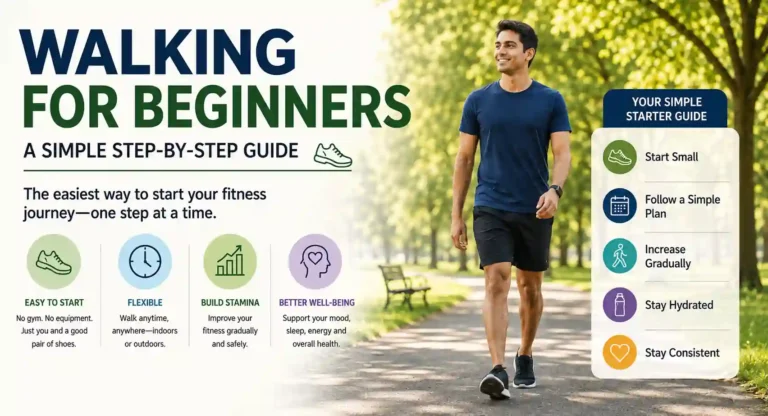
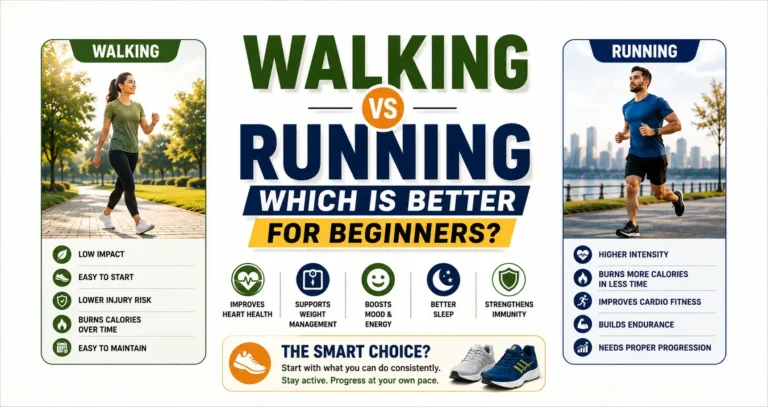
For readers interested in developing aerobic fitness through everyday activity, our guide to the Benefits of Walking Every Day explains why regular movement can be a practical part of a healthy lifestyle.
The BPFT includes different aerobic assessment options because a single activity may not be equally appropriate for every participant.
4. Flexibility and Range of Motion
Flexibility and range of motion are also important considerations in health-related physical fitness.
Depending on the assessment profile, relevant measures may include:
- Back-saver sit-and-reach
- Shoulder stretch
- Modified flexibility assessments
- Target stretch measures
Target stretch assessments can focus on particular movements and joints that may be especially relevant to an individual’s functional needs.
Examples can include assessment of:
- Elbow extension
- Forearm movement
- Knee extension
- Shoulder movement
- Wrist extension
This is another example of why the BPFT is not simply a universal one-size-fits-all fitness test.
The goal is to select measures that provide useful information.
How Are BPFT Test Items Selected?
One of the most important concepts behind the Brockport Physical Fitness Test is appropriate test selection.
The BPFT provides guidance to help professionals identify:
- Relevant health-related fitness concerns.
- Appropriate fitness components.
- Suitable test items.
- Relevant standards or fitness zones.
The assessment process is therefore more thoughtful than simply giving every participant the same list of exercises.
A simplified way to understand the process
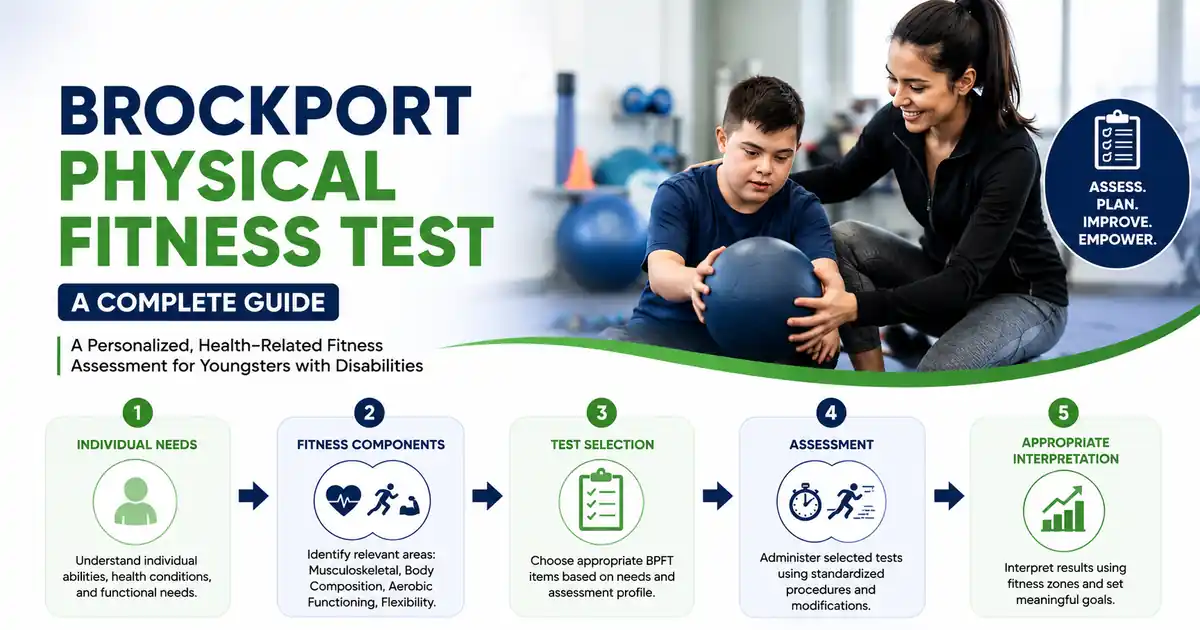
Step 1: Identify the individual’s relevant needs and characteristics.
Step 2: Identify the health-related fitness areas that are important to assess.
Step 3: Select appropriate test items.
Step 4: Administer the tests according to the recommended procedures.
Step 5: Interpret results using the appropriate standards and fitness zones.
The official BPFT framework provides selection guides and standards to support this process.
Important: This simplified explanation is for educational purposes. Professionals administering the BPFT should consult the official manual for complete protocols, modifications and interpretation guidance.
Examples of Brockport Physical Fitness Test Items
The complete BPFT framework contains multiple assessment options.
A person’s individual test battery may include only a selection of relevant items.
| Fitness Area | Examples of Possible Assessment Items |
|---|---|
| Musculoskeletal functioning | Push-up, seated push-up, grip strength, curl-up, trunk lift |
| Body composition | BMI, skinfold measures, bioelectrical impedance |
| Aerobic functioning | PACER, one-mile run/walk, TAMT |
| Flexibility/range of motion | Back-saver sit-and-reach, shoulder stretch, target stretches |
The exact selection should be based on the appropriate assessment guidance.
The BPFT includes a broad range of test items specifically because different individuals may require different approaches to fitness assessment.
How Are BPFT Results Interpreted?
BPFT results should not simply be treated as a competition score.
The assessment is criterion-referenced and health-related.
The goal is to understand whether relevant aspects of physical fitness are being appropriately assessed against applicable health-related criteria.
The BPFT framework uses standards and fitness zones designed to support evaluation.
Results may help professionals identify:
- Areas of relative strength.
- Areas that may need attention.
- Relevant fitness goals.
- Changes over time.
The meaning of a result depends on:
- The test item used.
- The individual’s characteristics.
- The relevant assessment profile.
- Applicable standards or fitness zones.
This is why interpretation should follow the BPFT guidance rather than relying on generic online score charts.
Why Personalised Fitness Assessment Matters
Imagine giving exactly the same physical task to two youngsters with very different functional abilities.
The result may not provide equally meaningful information for both individuals.
Personalised assessment aims to solve this problem.
Instead of asking:
“How does this person compare with everyone else?”
A health-related approach can ask:
“What information is relevant to this individual’s health, fitness and functional needs?”
That is a major strength of the BPFT.
Personalisation can help make assessment:
- More relevant.
- More meaningful.
- More practical.
- More inclusive.
The BPFT’s selection guides were specifically developed to support the choice of valid and appropriate health-related measures for relevant target populations.
Using Fitness Results to Support Healthy Activity
A fitness assessment should ideally lead to useful action.
After identifying relevant areas for improvement, professionals may use the results to support realistic physical activity goals.
For example, a goal might focus on gradually improving:
- Everyday movement.
- Muscular strength.
- Aerobic capacity.
- Flexibility.
- Exercise confidence.
Goals should be:
Specific
Clearly identify what you want to improve.
Realistic
Match the person’s current abilities and circumstances.
Measurable
Allow progress to be monitored appropriately.
Flexible
Be adjusted when circumstances or needs change.
For general fitness education, our Ultimate Fitness Program explains how strength, cardiovascular activity, mobility and recovery can work together in a balanced fitness routine.
For beginners who prefer exercising outside a formal gym environment, you can also explore How to Increase Daily Steps Without a Gym.
These general fitness resources are educational lifestyle guides and should not be considered substitutes for an individualised adapted physical education program.
A Simple Checklist for Understanding the BPFT
Use this checklist to remember the key principles of the Brockport Physical Fitness Test.
- The BPFT is a health-related fitness assessment.
- It is criterion-referenced.
- It was developed primarily for youngsters with disabilities.
- It uses a personalised approach.
- Not every participant completes the same test items.
- Test selection depends on relevant needs and characteristics.
- Results should be interpreted using appropriate guidance and standards.
- Proper administration requires knowledge of the official procedures.
Ready to Build Healthier Movement Habits?
Fitness assessment is only one part of supporting a healthy and active lifestyle.
Long-term progress often comes from building consistent movement habits that match your abilities, interests and daily routine.
Whether your starting point is walking, home exercise or another form of physical activity, small and realistic steps can make movement easier to maintain.
Download the Infuse Ur Life 30-Day Better Living Planner and start building simple daily habits that support a healthier and more active lifestyle.
👉 Start Small. Stay Consistent. Build Better Habits.
Frequently Asked Questions
What is the Brockport Physical Fitness Test?
The Brockport Physical Fitness Test (BPFT) is a health-related and criterion-referenced fitness assessment designed primarily for youngsters with disabilities. It uses a personalised approach to selecting appropriate fitness components and test items.
What does BPFT stand for?
BPFT stands for Brockport Physical Fitness Test.
It is associated with a health-related approach to physical fitness assessment for youngsters with disabilities.
Who developed the Brockport Physical Fitness Test?
The BPFT was developed through Project Target by researchers associated with the State University of New York, College at Brockport, including Joseph P. Winnick and Francis X. Short. The project was supported through U.S. Department of Education funding.
How many tests are included in the Brockport Physical Fitness Test?
The BPFT framework includes multiple available test items across major areas of health-related physical fitness. However, an individual assessment generally uses only the items selected as appropriate for that person’s assessment profile. The revised manual describes a broad battery of test options rather than requiring every participant to complete every test.
What are the main components of the BPFT?
The BPFT covers health-related areas including aerobic functioning, body composition and musculoskeletal functioning, with flexibility and range-of-motion measures incorporated through appropriate test selection.
Is the Brockport Physical Fitness Test the same as a general fitness test?
No. The BPFT differs from many general fitness assessments because it was specifically developed around a personalised and criterion-referenced approach for youngsters with disabilities.
The test items and standards used should be selected according to the appropriate guidance rather than assuming that every participant should complete an identical battery.
The Bottom Line
The Brockport Physical Fitness Test is an important development in health-related fitness assessment because it recognises a simple reality:
Meaningful fitness assessment should consider the individual.
Rather than forcing every youngster into one standard fitness battery, the BPFT provides a framework for selecting relevant fitness components, assessment items and standards.
It focuses on health-related physical fitness.
It is criterion-referenced.
And most importantly, it supports a personalised approach.
For educators, adapted physical education professionals and others working with appropriate populations, understanding these principles is essential to using the BPFT responsibly and meaningfully.
Always refer to the official Brockport Physical Fitness Test Manual for complete test protocols, modifications, standards and interpretation procedures.
Start Supporting Better Movement Habits Today
Understanding physical fitness is the first step. Building sustainable movement habits is what helps support long-term health.
You don’t need to make dramatic changes overnight.
Start with realistic movement that fits your abilities and lifestyle. A short walk, beginner-friendly exercise routine or other enjoyable physical activity can become the foundation of a more active daily routine.
Download the Infuse Ur Life 30-Day Better Living Planner and start creating practical habits that support a healthier, more active and balanced lifestyle.